


Description
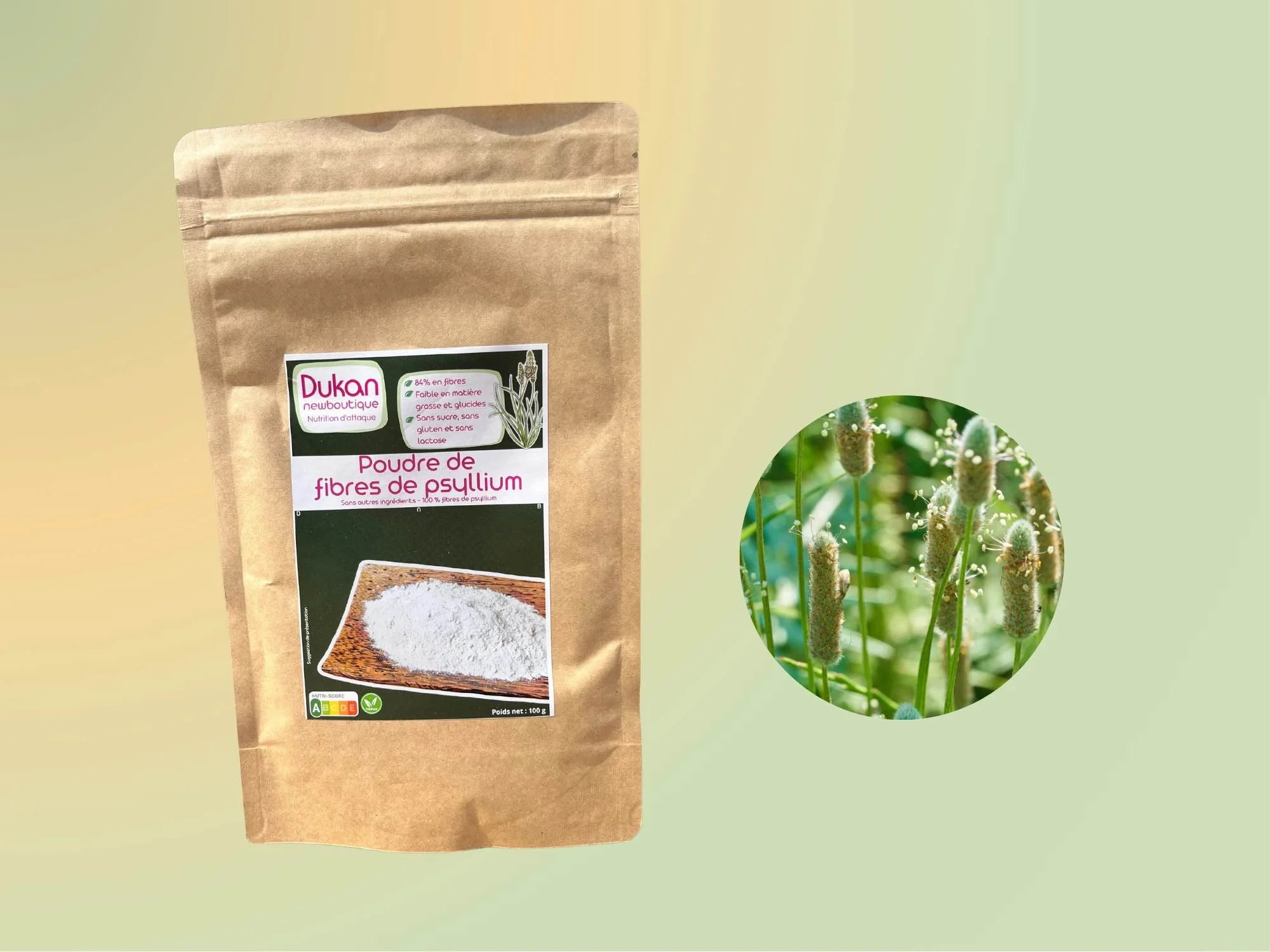
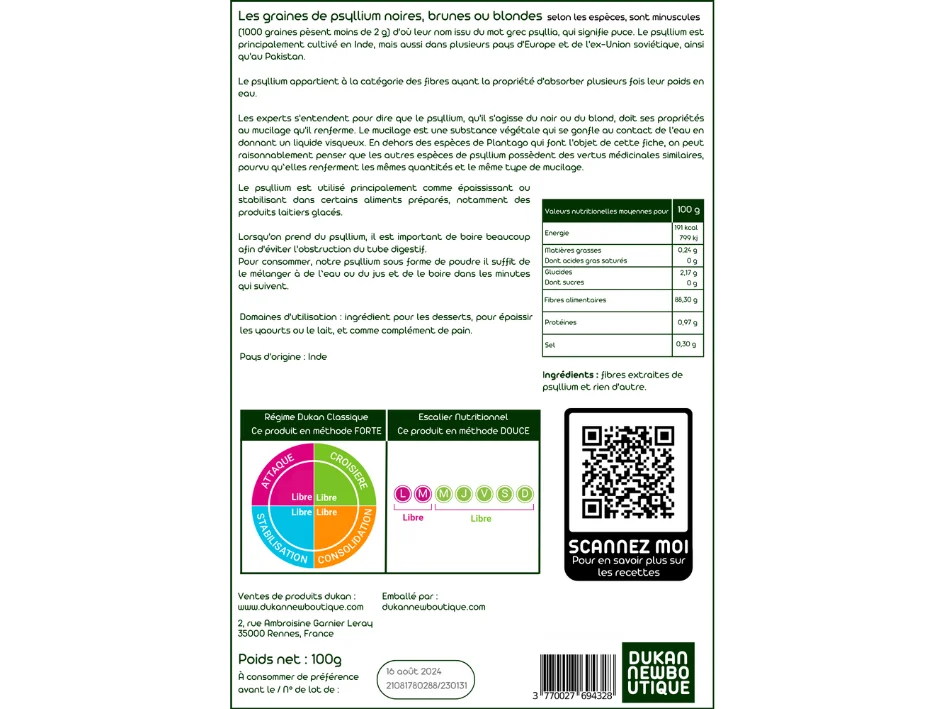
Psyllium seeds—which are black, brown, or blond depending on the species—are tiny (1,000 seeds weigh less than 2 g), hence their name, which comes from the Greek word *psyllia*, meaning “flea.” Psyllium is primarily grown in India, but also in several countries in Europe and the former Soviet Union, as well as in Pakistan.
Psyllium belongs to a category of fibers capable of absorbing several times their weight in water.
Experts agree that psyllium—whether black or blond—owes its properties to the mucilage it contains. Mucilage is a plant substance that swells upon contact with water, forming a viscous liquid. Apart from the Plantago species covered in this fact sheet, it is reasonable to assume that other psyllium species possess similar medicinal properties, provided they contain the same amounts and type of mucilage.
Psyllium is used primarily as a thickener or stabilizer in certain prepared foods, particularly frozen dairy products.
When taking psyllium, it is important to drink plenty of fluids to prevent blockage of the digestive tract.
To consume our psyllium powder, simply mix it with water or juice and drink it within a few minutes.
Uses: as an ingredient in desserts, to thicken yogurt or milk, and as a bread additive.
Country of origin: India